Custom textile packaging is a vibrant, versatile, sustainable option with applications for nearly any industry. With varied materials and customization, fabric packaging can match a product’s style, enhance customer appeal, build and maintain brand identity, and offer added value.
At E2Global, we strive to produce superior-quality packaging for our clients that imparts an impactful impression on your customers to boost sales. Due to the high quality of our textile packaging solutions, your customers will recognize that quality is synonymous with your brand.
Types of Textile Packaging
Textile packaging can be customized to create a combination of materials, structures, and design elements that meet any customer’s needs. Popular selections for textile packaging include:
Microfiber
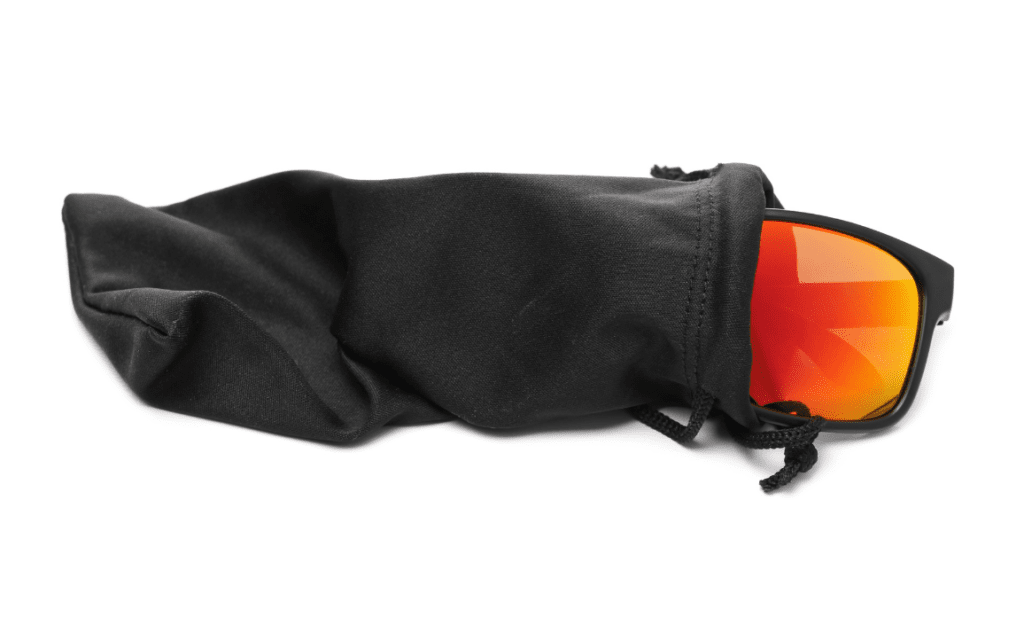
Microfiber packaging is durable, with remarkable softness, making it an ideal choice for cleaning cloths of various textures and thicknesses to include with many products, such as eyeglasses and sunglasses. Thin, supple microfiber fabrics can add a rich, luxe feel to packaging for jewelry, home decor, and other small, delicate, or intricate items. Microfiber textiles can be custom colored and fully printed to meet any packaging needs.
Cotton
Cotton is a natural fiber that lends many benefits to packaging applications. This fabric is extremely versatile and can be woven into various thicknesses to suit your needs. Cotton is a renewable material and can be reused indefinitely, making it an excellent choice for sustainable packaging. Customization of cotton packaging is virtually limitless with the ability to dye, embroider, screen print, or embellish with custom handles, grommets, and more. Cotton textiles can be used to create a variety of packaging options, including bags, envelopes, garment bags, pouches, wrapped boxes, and more.
Canvas
Sturdy and long-lasting, canvas is strong enough for eco-friendly wraps for bulky items such as mattresses, but adaptable enough for use as packaging for products such as jewelry, kitchen goods, and home decor. Easily printable, canvas is also popular for custom-printed tote bags.
Linen
Linen is most popular in packaging for jewelry and drawstring bags for other small items. Its classic, elegant look and feel give products a more impressive presence.
Bamboo
Highly renewable, bamboo packaging can replace most other packaging materials, but as a fabric, it is most often used for bags and wraps for clothing, jewelry, and other consumer goods.
Jute
Used in packaging for centuries, jute fabric, or high-quality burlap, is typically used for bags and sacks of every size, containing products as varied as coffee beans, tea, and grains. Jute packaging can serve alone or joined with canvas or other materials, as a stylish alternative to plastic for holding wine bottles, soaps, and countless other products.
Plastic Fabrics
While perhaps best known as shrink film, polyolefin is also commonly used for sacks and large-scale packaging, for products such as grains, fertilizers, and other bulk materials. Flexible Intermediate Bulk Containers (FIBCs) in several styles are typically made of polypropylene and may be coated or uncoated. Polypropylene is also generally used for loosely woven Leno bags to hold citrus, onions, potatoes, and other fruits and vegetables.
Wrapping Fabrics
Many packaging textiles, including canvas, jute, and plastics, are used in padding and wrapping products and large bundles of products such as supplies of paper, metal products, tires, and more.
Benefits of Textile Packaging
Fabric packaging offers both tangible and intangible benefits to consumers and manufacturers in product protection, consumer satisfaction, branding, financial, and environmental aspects.
- Product Protection: Soft and resilient, fabric packaging naturally adds padding and protection for fragile or delicate products. It can also prevent scratches, abrasions, and other damage while products are stored or in transit, as well as keep bundled products together.
- Consumer Satisfaction: One of the best reasons to use fabric packaging is an improved consumer experience. Smooth, silky microfiber can convey luxury and comfort while rustic burlap can evoke a homey, casual but trendy feel. Bamboo, canvas, and others can inspire thoughts of eco-friendliness and opportunities for reuse. No matter the fabric packaging material, it encourages consumers to pause and enjoy the experience of revealing the products within, and often, plans for reusing the packaging.
- Branding & Brand Identity with Custom Printing: Custom colors and printing on fabric packaging can enhance brand identification with consumers. Silk-screening, embossing, pad-printing, and 100% printing can enhance fabric packaging, particularly with microfiber textiles.
- Financial Benefits: The comparatively lightweight and flexibility of fabric packaging reduces transportation and storage costs, offering valuable savings.
- Environmental & Sustainability Benefits: With many areas banning store use of single-use plastic, and even paper bags, consumers are increasingly conscious of product packaging. Using renewable, recyclable, reusable packaging materials shows awareness and support for these concerns and may attract new consumers for whom these are important considerations.